The summer 2009 genre television season has picked up, including SyFy’s lighter conspiracy series Warehouse 13, TNT’s returning capers on Leverage, and Disney XD’s Silver Age-style Spectacular Spider-Man. Because of time constraints, I’ve dropped the computer-animated Iron Man and Bible-inspired Kings from my viewing schedule, and although several friends have recommended Lost, I’m leery of making a commitment to yet another continuity-driven show.
In addition, G4 will be covering the annual San Diego Comic-Con, which has become more noteworthy lately for film previews than for comic books and graphic novels. On DVD, I’m looking forward to the releases of Watchmen, The Middleman, Coraline, Pushing Daisies
Season 2, and Green Lantern: First Flight. I have yet to see Hulk vs., Quantum of Solace, and Tale of Desperaux.
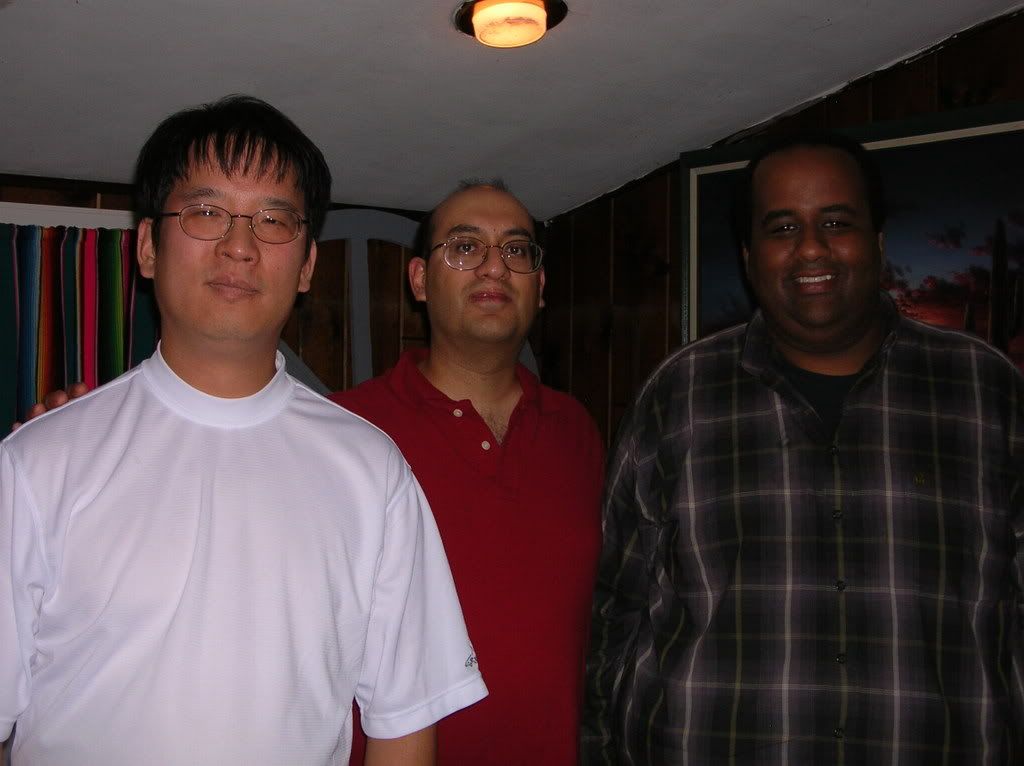
Fellow genre entertainment fans, on Saturday, 9 May 2009, Janice and I met Beruk A. and Thomas K.Y. at the AMC Framingham multiplex to screen the newest Star Trek movie. I enjoyed the film more than I expected to! Although I’m a fan of Gene Roddenberry’s long-running space opera franchise, this review is intended for anyone, including those unfamiliar withStar Trek.
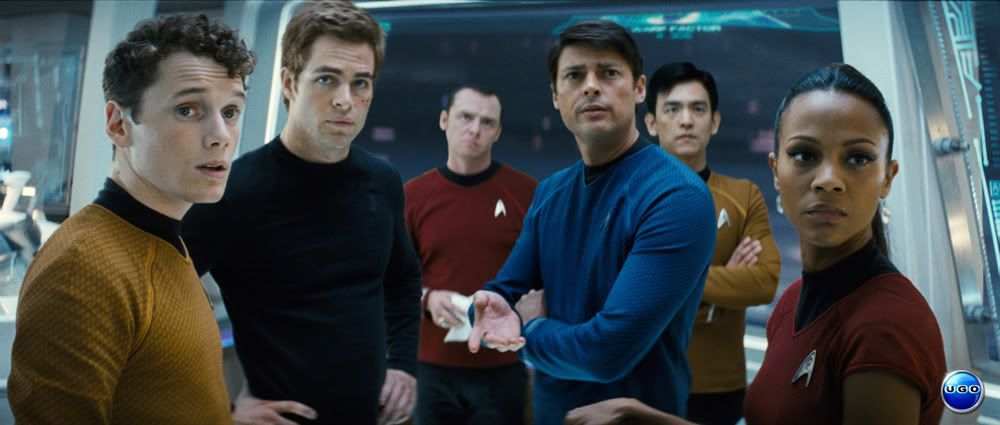
A familiar command crew for a new Enterprise
In the mid- to late 1960s, the originalStar Trek television series became a popular-culture phenomenon, despite being canceled after only three seasons because of low ratings. Trek‘s appeal has endured not only because of its optimistic vision of the future, in which humanity has put aside its differences to explore the galaxy, but also because of its depiction of the crew of the U.S.S. Enterprise, whose intelligence and friendships enabled it to meet any challenge.
There was also sociopolitical allegory, fisticuffs and starship battles, swinging sex, and technobabble — and some excellent speculative fiction by respected authors. The original series (TOS) has influenced all genre television since with its archetypal characters, episode plots, and ensemble cast, even if it didn’t invent each of these things. While special effects have improved since early Doctor Who and TOS, the sometimes hammy acting and quasi-military Starfleet of the United Federation of Planets have been copied (Stargate SG1), parodied (Galaxy Quest), and reacted to (Battlestar Galactica) for 40 years.
I have many fond memories of watching TOS reruns while playing foosball late at night in college. The subsequent movies veered from campy to melodramatic, and the spin-off TV series — The Animated Series, The Next Generation, Deep Space Nine, Voyager, and Enterprise — had many fine moments, but they gradually lost focus and audience attention. Star Trek: Nemesis, the most recent flick in that shared universe, earned lackluster box office and reviews.
J.J. Abrams, who is best known for producing television’s Lost, has managed to update and shake up the Star Trek universe while preserving much of what made it compelling. I came out of the theater proud to be wearing my Trek T-shirt (Roddenberry was one of the first to realize the potential of licensed merchandise) and in the company of fellow “Trekkers” (or “Trekkies,” depending on your preference).
Without giving away any “spoilers” (which some of the reviews linked to in this review have) about the plot, the new Star Trek shows how the beloved command crew of the U.S.S. Enterprise NCC 1701came together for the first time, about 200 years from now. In a significant twist, Nero, a nefarious Romulan miner from the even more-distant future, comes back seeking revenge on the logical (and also pointy-eared) Vulcans for the destruction of his homeworld.
The break in the timeline from previously established continuity happens in the opening scene, as the U.S.S. Kelvin is attacked by Nero’s massive space vessel, just as James T. Kirk is born. (A comic book miniseries ties this back to The Next Generation, if you care.) Many more people will suffer from the renegade Romulan’s plans, even as years pass and we see Kirk become a restless youth and a brash Starfleet cadet.
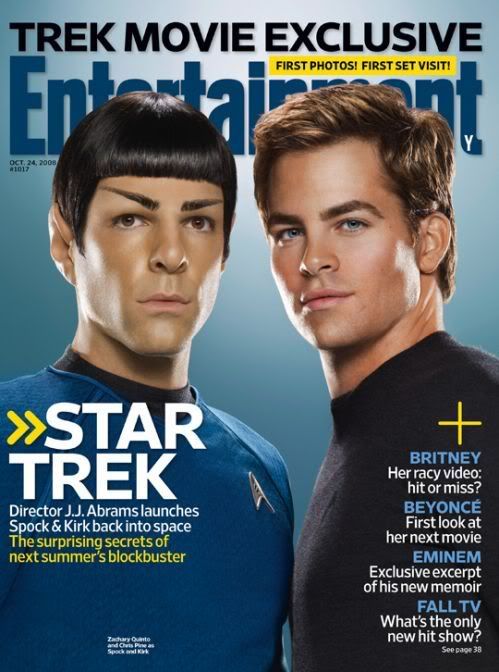
I was very impressed with the casting. The younger actors recreate the roles of their predecessors without sinking into mimicry or comedic impressions. Chris Pine hasthe right mix of cockiness and empathy for Kirk, mostly avoiding the often-imitated cadences of William Shatner’s line readings. The attractive Zoe Saldana is a catalyst as linguist Nyota Uhura, originally played by African-American pioneer Nichelle Nichols.
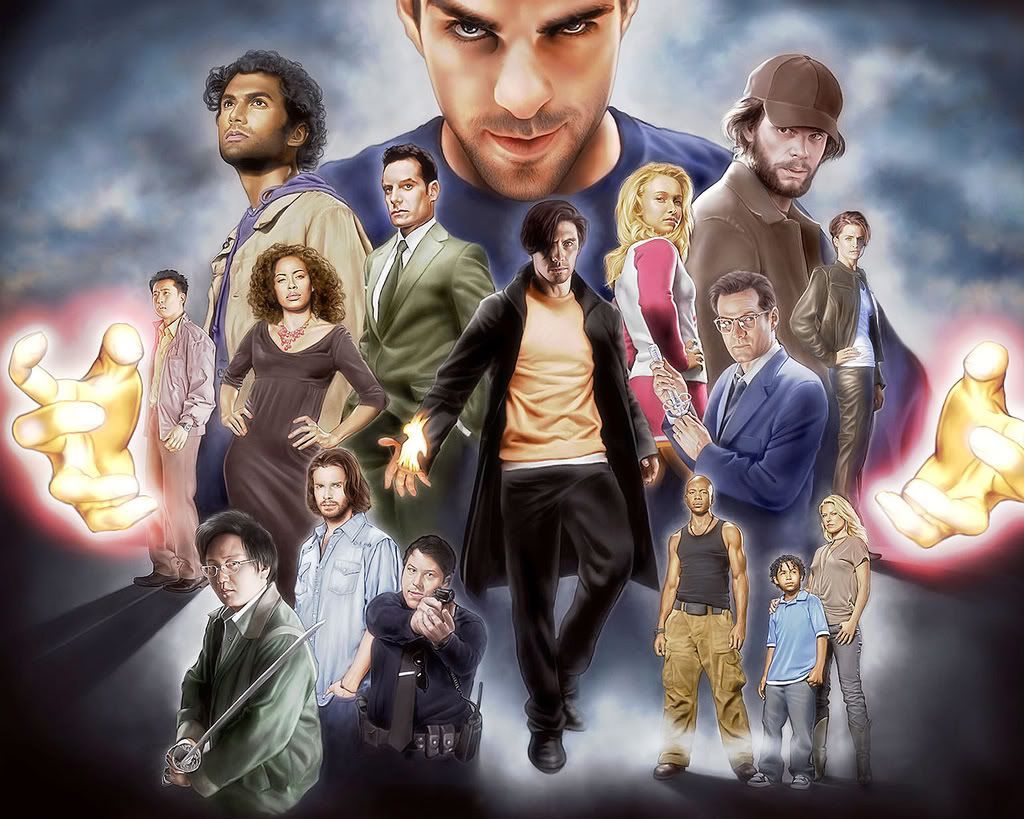
Zach Quinto, best known as the villainous Sylar on Heroes, is fascinating as the half-Vulcan/half-human Spock. Although he doesn’t have Leonard Nimoy’s baritone, he does hold his own, even opposite “Spock Prime” (thanks to the aforementioned time travel). Quinto’s Spock is torn between his logical Vulcan and emotional human sides — represented by Ben Cross, taking over for the great Mark Lenard as Ambassador Sarek, and Winona Ryder, as mother Amanda in truncated scenes, respectively.
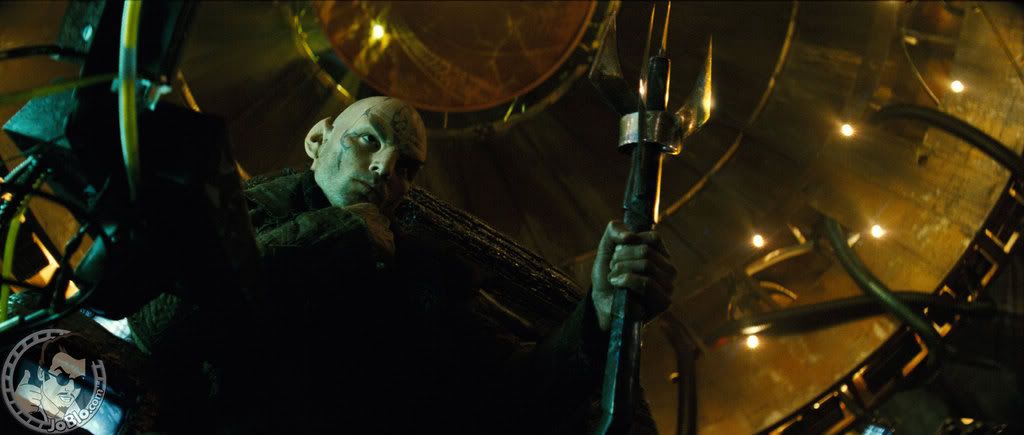
Genre vet Bruce Greenwood plays Captain Christopher Pike, originally depicted by Jeffrey Hunter. Pike serves as a mentor to young Spock and Kirk, and is the subject of torture by Nero, played by Troy and Hulk‘s Eric Bana. Nero isn’t a villain on the level of Ricardo Montalban’s Khan Noonien Singh, but he’s better than the Romulan/Reman baddies of Star Trek: Nemesis. (I’ll repost my review of that later.)
My favorite was Karl Urban (Eomer in the Lord of the Rings films) as Dr. Leonard “Bones” McCoy. Although Urban isn’t quite the “old country doctor” as played by DeForest Kelley, his grumpiness and humanism perfectly complement Kirk’s id and Spock’s superego. Of a talented cast, Urban comes closest to replicating the spirit of the original actor and character.
The bridge of the starship Enterprise is eventually rounded out by John Cho as the swashbuckling Hikaru Sulu (replacing George Takei), Anton Yelchin as young ensign Pavel Chekov (originally Walter Koenig), and comic actor Simon Pegg capturing the enthusiasm of genius engineer Montgomery “Scotty” Scott (originated by James Doohan). I’ve been fortunate enough to meet many of the supporting actors at conventions over the years, and I was pleased that their characters were given more to do than they had been in several prior movies.
The script is witty, balancing the gravity of Kirk and Spock’s tragic family histories with the lively banter and catchphrases unique to Trek. In the process of saving starships and even planets, it was heartwarming to see Kirk, Bones, and Spock become the “big three” and to see the entire crew — and, by extension, the audience — become an unflappable team and family. The heroic optimism of Trek is relatively rare in space opera right now, and as relevant for the challenges we face with President Barack Obama as for those faced during President John F. Kennedy’s administration.
There is more action than in any previous Star Trek, partly thanks to a younger cast and a bigger budget. Fortunately, the funny quips and moments of character development make the pyrotechnics and loud space battles tolerable. Some of the physical comedy, as in a scene when Kirk is chased by a huge Cloverfield-style monster while marooned on an ice planet, or when Scotty is accidentally transported (teleported) into a water-circulation system, are classic Trek tropes that were lampooned in Galaxy Questbut balance the seriousness of the underlying story.
Speaking of the story, while I had reservations about the use of time travel and Romulans, I was pleased to see that bringing together the Enterprise crew was more important than the usual plot devices or villains. Originally, I would have preferred to continue forward from the era of The Next Generation/Deep Space Nine, but I understand Abrams’ reasons for going back to the best-known incarnation.
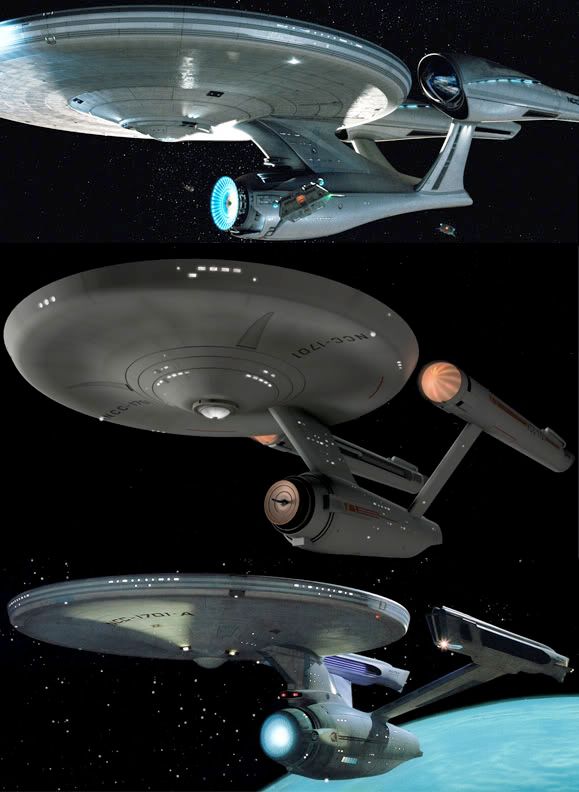
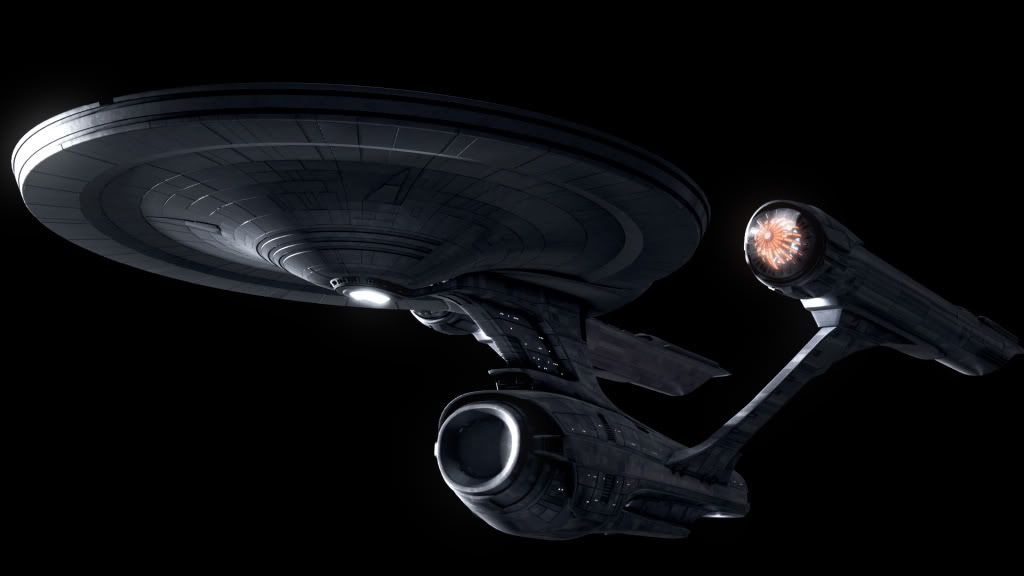
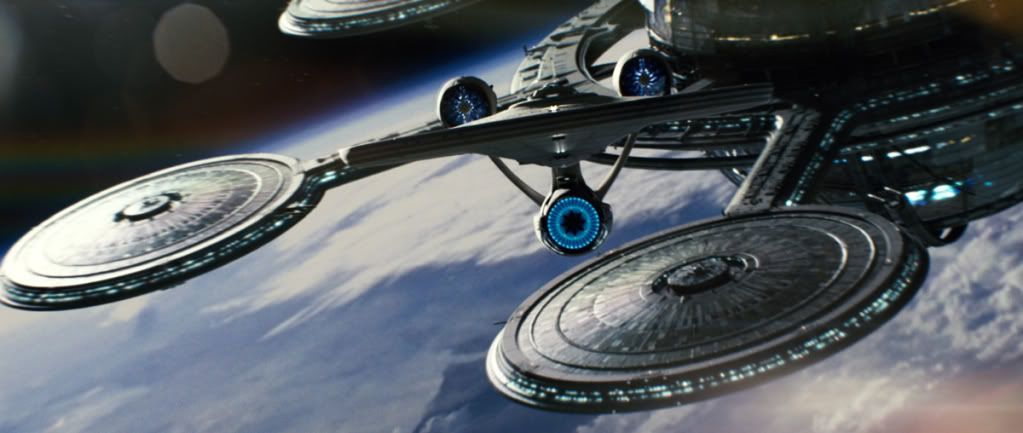
The visual effects were spectacular, and from the opening attack on the Kelvin to the final scenes of the Enterprise traversing interstellar space, the vessels and battles haven’t looked this good since Star Trek II: Wrath of Khan or Star Trek: First Contact. Perceptive fans will spot or hear references to Klingons, Tribbles, Cardassians, Adm. Archer, and the Kobayashi Maru test, but such allusions to the larger franchise don’t slow down the pace (although neither did any of the intellectual questioning of TOS).
Some fans and critics have complained that the retro/futuristic bridge set looks like an Apple Store, but I think that makes sense, given how our technology has evolved from the 1960s to the 2000s. Handheld communicators, portable computers, and graphical interfaces have caught up with the props of TOS.
On the other hand, much of science behind this science fiction isn’t much more plausible than in George Lucas’ Star Warsfilms, with exotic “red matter” creating black holes, some potential paradoxes, and a lack of explanation for standard Trek tech, such as transporters, force fields, invisibility cloaks, and warp drive. Still, the starship Enterprise is sleek but still recognizable, and I thought the updated costumes did a good job of evoking the era of beehive hairdos and go-go boots without looking dated.
The soundtrack is serviceable, but I have to admit that my emotions were touched upon hearing Alexander Courage’s original music and Nimoy’s voice-over late in the movie. I think that Abrams has succeeded in making an exciting movie that is still Star Trek, and I hope that both fellow fans and general audiences will rediscover what some of us have enjoyed for so long. Of the remakes I’ve seen, this is one of the best.
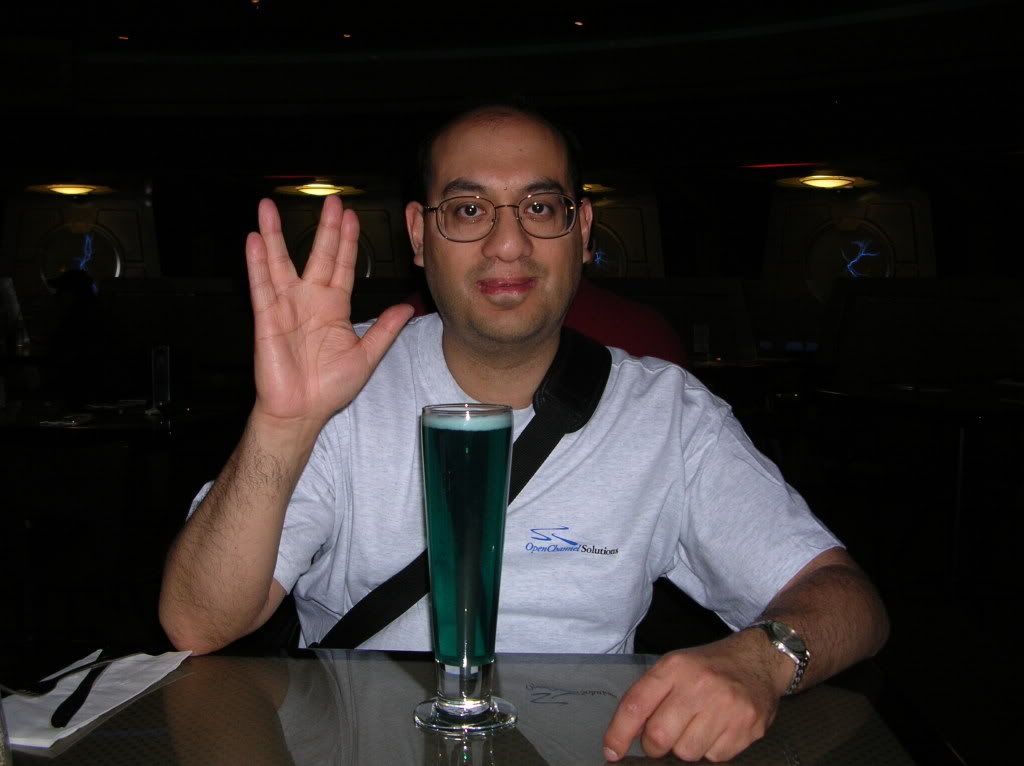
I’d give the new Star Trek a 9 out of 10, four stars, or an A. The movie is rated PG-13 for violence and some language. As Vulcans say, “Live long and prosper!”
Friends, after recent conversations with Ron J.K., Steve M.R., and Jim J.D’B., I realized that it’s time to talk about my first love in genre entertainment–science fiction. Some of my television memories from childhood are hazy recollections of watching “Voyage to the Bottom of the Sea” and Godzilla movies.
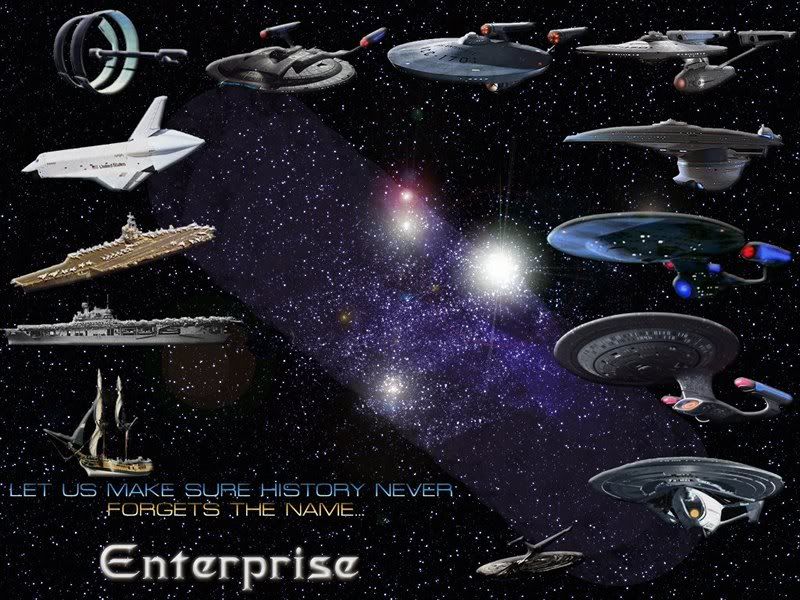
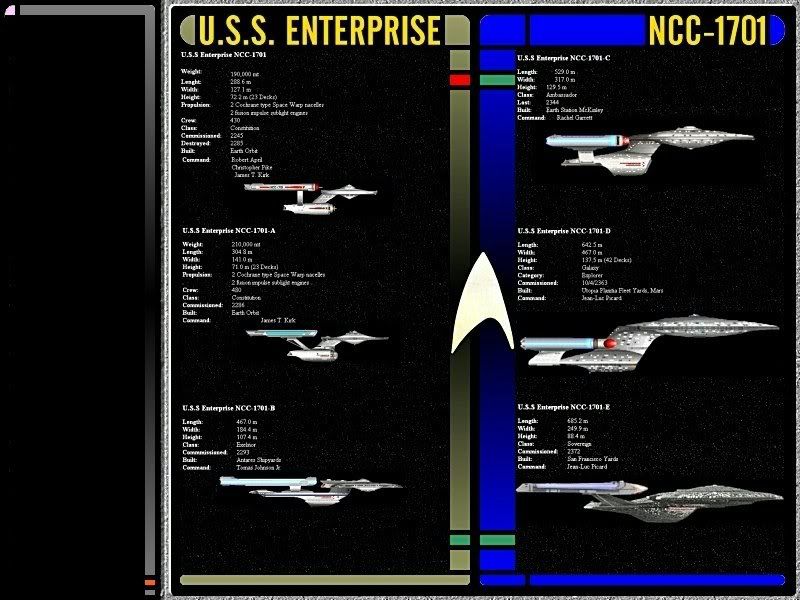
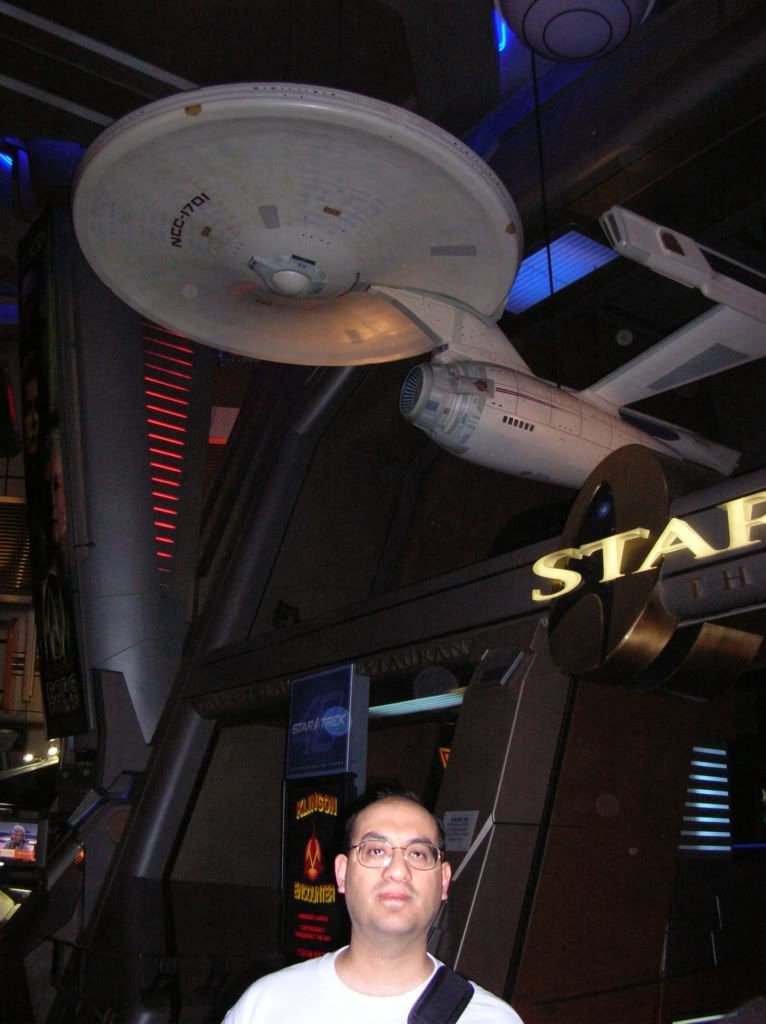
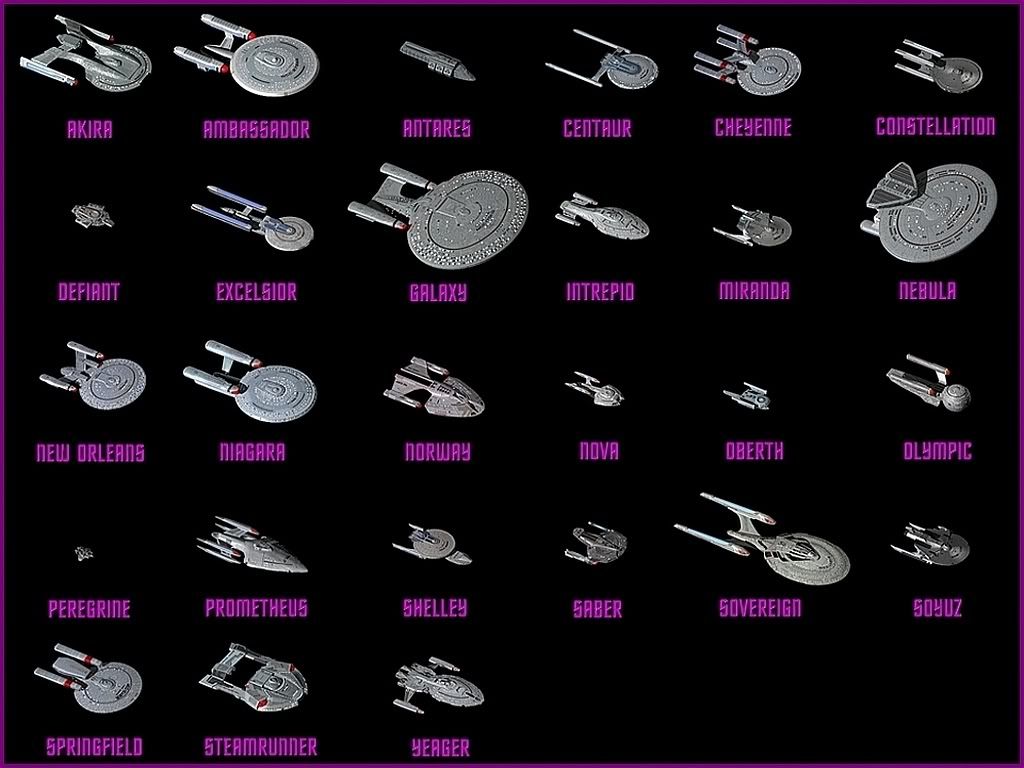
Science fiction vehicles
My father introduced me to the classic speculative fiction of prescient Jules Verne, cautionary H.G. Wells, and galactic visionary Isaac Asimov. I avidly read many of the books from the “Golden Age” of SF (the 1930s through ’50s), and I still prefer the fables of Ray Bradbury, the “juvenile” space operas of Robert A. Heinlein, and the evolutionary tales of Arthur C. Clarke to many later authors.
Of the so-called New Wave of authors starting in the 1960s through the 1980s, I like David Brin’s intricate “Uplift” series, David Gerrold’s postapocalyptic “War With the Cthorr,” and Larry Niven’s worldbuilding speculations in his “Ringworld” books. “Hard SF” based in actual science has been more successful in literature, while the more fantastical space opera once dominated movies and television.
I caught the wave of popular genre entertainment in the late 1970s/early 1980s, including of course “Star Trek,” “Star Wars,” and “Battlestar Galactica,” as well as numerous other movies and T.V. shows and their inevitable sequels/spin-offs/remakes. Through high school and college, I enjoyed the good (“Alien Nation”), the campy (“Buck Rogers”), and even some of the bad (“Ice Pirates”).
Although I’ve read Frank Herbert’s epic “Dune” series and cyberpunk by William Gibson, Bruce Sterling, and others, I was turned off by the belated popularity of those darker subgenres in movies, even if “Blade Runner” and the adaptations of “Dune” remain among my favorites. I do like the social commentary, quasi-religious allegory, and well-crafted settings, if not the cynical worldview of some creators.
The later 1980s through the present (early 2000s) have continued to be dominated by post-cyberpunk dystopias. I’ve come to enjoy the pulps from the 1890s through 1950s, so it’s no surprise that steampunk is now one of my favorite subgenres. I’ve fallen pretty far behind in novel reading (partly as a result of becoming a copy editor, which requires enough hours of close reading), but of recently popular authors, I like David Weber’s “Honor Harrington” military SF stories. I’m not a huge fan of comic SF, but I did enjoy “Hitchhiker’s Guide to the Galaxy” in various media and “Galaxy Quest,” a loving spoof of the “Trek” franchise.
Space opera has fallen out of favor (compared with the 1990s, when “Trek,” “Babylon 5,” “Stargate,” and “Andromeda” were all on the air), while superheroes, “more realistic” cyberpunk, time travel, epic fantasy, and other subgenres are more popular right now. I’ll discuss the latter in other postings.
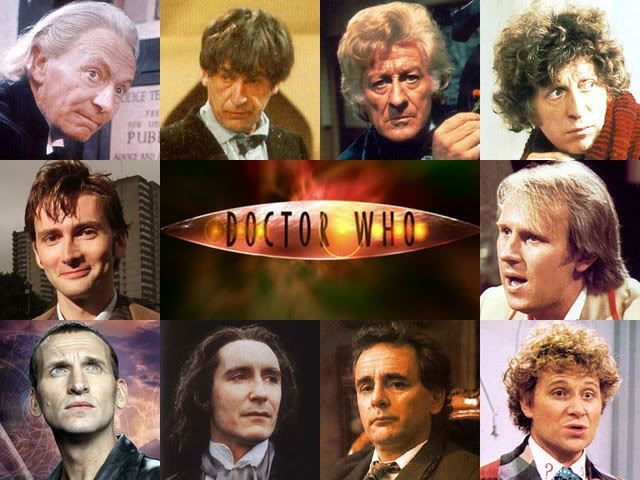
As for popular entertainment, here’s my ranking of the various actors who have starred in the BBC’s long-running Doctor Who time-travel series:
Four (Tom Baker, 1974-’81)
Nine (Christopher Eccleston, 2005)
Three (Jon Pertwee, 1970-’74)
Five (Peter Davison, 1981-’84)
Eight (Paul McGann, 1996)
Ten (David Tennant, 2005-present, so far)
Two (Patrick Troughton, 1966-’69)
One (William Hartnell, 1963-’66)
Seven (Sylvester McCoy, 1987-’89)
Six (Colin Baker, 1984-’86)
T.V. movies and radio shows (non-canon, including Peter Cushing, Rowan Atkinson, and Richard E. Grant*) *-my preferred of these
Also, in descending order of preference:
Star Trek on television:
The original series (1966-’69)
“The Next Generation” (1987-’94)
“Deep Space Nine” (1993-2000)
“Enterprise” (2001-’04)
“Voyager” (1995-2002)
Honorable mention: The animated series (1973-’75)
Star Trek films:
II “The Wrath of Khan” (1982)
VIII “First Contact” (1996)
IV “The Voyage Home” (1986)
VI “The Undiscovered Country” (1991)
I “The Motion Picture” (1979)
III “The Search for Spock” (1984)
XI “Star Trek” (2009)
VII “Generations” (1994)
V “The Final Frontier” (1989)
IX “Insurrection” (1998)
X “Nemesis” (2002)
Star Wars films:
Episode IV: “A New Hope” (1977)
Episode V: “The Empire Strikes Back” (1980)
Episode VI: “Return of the Jedi” (1983)
Episode III: “Revenge of the Sith” (2005)
Episode II: “Attack of the Clones” (2002)
Episode I: “The Phantom Menace” (1999)
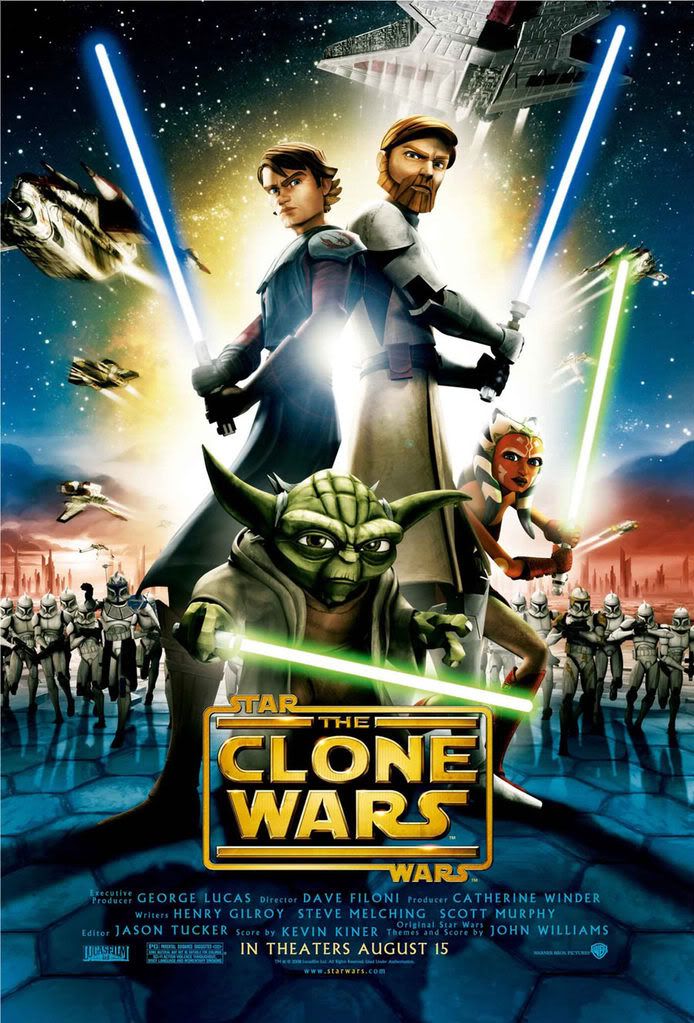
Honorable mention: “Clone Wars” animated series (2003-’04)
I’m also looking forward to the autumn 2006 television season (and current ratings):
Sundays: “City of Heroes” online multiplayer superhero game ***
Tuesdays:
-“Veronica Mars” (CW young adult sleuthing) ***
-D&D3.5 “Vanished Lands: Halmed Desert” heroic fantasy campaign
Wednesdays: “Hustle” (BBC/A&E do-gooder capers; now in reruns) ***
Thursdays:
-“Smallville” (CW superpowered drama) **
-“City of Heroes” (with Dexter V.H., David I.S., Steve M.R., and Byron V.O.?)
Fridays:
-“Avatar: the Last Airbender” (Nickelodeon animated fantasy) ****
-“Kim Possible” (Disney Channel animated action/adventure) ***
-“Stargate SG1” **** and “Stargate: Atlantis” ** (SciFi Channel military space opera)
-“Doctor Who” (BBC/SciFi Channel revived time/space travel) ***
-“Battlestar Galactica” (SciFi Channel revisionist military space opera) ***
Saturdays:
-“The Adventures of Jimmy Neutron” (Nickelodeon computer-animated SF comedy)
-“The Batman” (CW animated superheroes) ***
-“Legion of Superheroes” (CW animated comic book) **
-“Fantastic Four” (Cartoon Network animated superheroes) **
In my next blog posting, I’ll have to provide updates on the past few weeks, including the visit by high-school friends Damon F.P. and Steve M. to the Boston area, a fondue dinner with Thomas K.Y. and Cliff & Eliza Y., and the shift from the D20 “Mutants & Masterminds” 2nd Ed.: “Drake’s 7” superhero scenarios back to the D&D3.5 fantasy game! Later, -Gene


 Gene's Worlds