30 June 2010: “Vortex” species — humanoids

Berkeley art

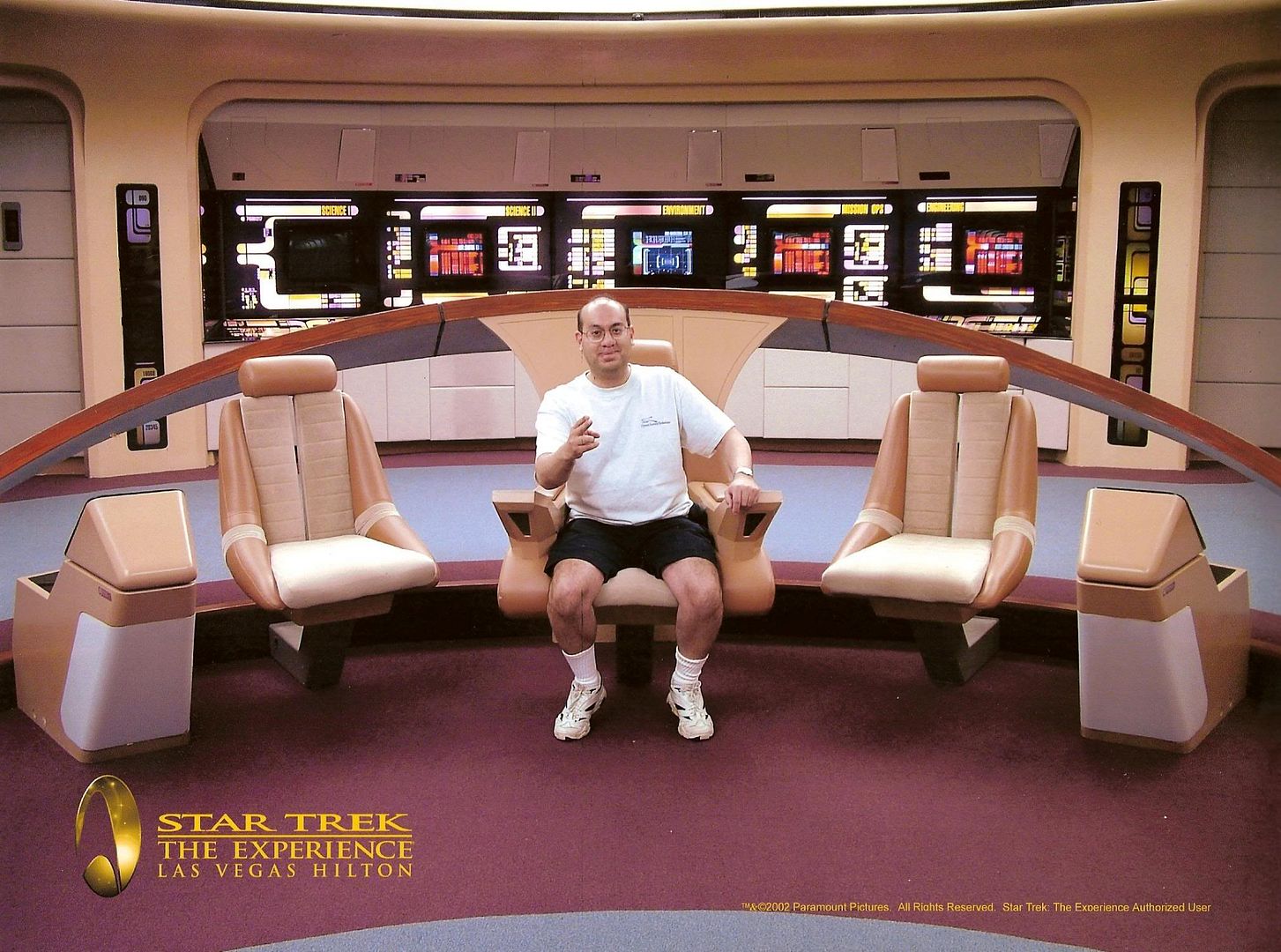
Fellow role-players, by now, you’ve probably seen my descriptions of the development of my upcomingVortexspace opera and the “future history” and tone of the homebrew campaign setting. As we get closer to beginning the game, here are some notes on available Player Character species.

In one future, humanity has begun to colonize the Sol system, but struggles for scarce resources persist. Open and official First Contact with alien societies, themselves at war, opens a wider galaxy to explore — if Terrans survive.

Humans and “near” humans

As I’ve noted previously, about 200 years from now, our solar system is home to nearly 20 billion people, most of whom are “normal” humans living on Earth. They’re still the baseline for whatever rules set we ultimately choose (the top contenders are D20 Star Wars: Saga Edition, FATE Diaspora/Starblazer Adventures, GURPS 4e Lite/Space,” and BASH Sci-Fi Edition).

In the “Vortex” universe, as in many space operas, humans are adaptable, corruptible, and lower-tech than their new galactic acquaintances. Still, the upstart children of Terra have great potential.

Also known as “metahumans,” “parahumans,” “posthumans,” and “transhumans,” the broad category of “near” humans includes mutants, genetically modified humans, and cyborgs. About one in 5 million people is born with a random but significant (and mostly helpful) mutation, and during the era of the Societe de Justice Internationale and the “Drake’s Seven,” many were costumed vigilantes or supervillains.

“Gennies” include humans born in the low-gravity environments of the Lunar Free State, the Mars Confederation, or some outer colonies (but not the orbital cities, which have mostly normal inhabitants).
Some people have been enhanced as entertainers or soldiers, while others have engaged in dangerous recreational splicing. As mentioned previously, some cloning exists, but it’s expensive and heavily regulated.

Cyborgs may not seem as high-tech as their genetically modified kin, but they can be nearly indistinguishable from normal humans (in contrast to many gennies, who often flaunt their differences and supposed superiority). Many modifications are to repair injuries, to interface with machines, or to have swappable functions.

“Synths”

“Synths,” or synthetic humanoids, include genetically modified animals and androids and mostly live in Earth’s colonies. Although humans created these client species to be more capable individually than themselves, humans have also been reluctant to grant them equal rights.

Uplifted” animals arose out of the creation of “gennies” and efforts to preserve megafauna that was going extinct. They’re commonly based on dogs and wolves (Canids), large cats (Felinoids), primates (Chims), bears (Ursoids), or cetaceans (Delphines). Uplifted animals are usually stronger than humans but not as smart, and like gennies, their reproduction is strictly controlled. Alien synths are known as “xenoids.”

By contrast, true artificial intelligences may be smarter than humans but rely on robotic bodies. Robots have industrial, exploratory, or military applications, and androids are often confused for gennies and have social or entertainment applications. Humanoid androids, nonhumanoid bots, and disembodied A.I.s all have programming and legal restrictions and are as vulnerable to computer viruses as organic beings are to
regular illness.

Coming soon: “Vortexaliens and occupations!

18 June 2010: Chicago conference

Cubs game This week, I helped TT’s events staff at the BriForum event in Chicago. Aiding in setup has been different than my experience as an attendee at Citrix Synergy in San Francisco last month, but I’ve again learned a lot more about desktop virtualization.

On Monday, 14 June 2010, I took an early flight from Boston’s Logan Airport to Chicago’s O’Hare Airport with colleague Colin S. We stayed at the swanky Palmer House hotel on the first night, and I got to explore the neighborhood a bit after orientation. It was my first time in the Windy City. Just as San Francisco reminded me a little of Boston, so did Chicago remind me favorably of New York, with gothic architecture, an impressive skyline, and bustling streets.

During one of my few breaks, I walked around the neighborhood, and saw a scale model of the city and Graham Crackers Comics. Colin and I joined co-workers Bridget B. and Michelle B. and had fresh sandwiches for lunch at Corner Bakery Café and a deep-dish pizza dinner at Lou Malnati’s. The rest of our generous meals were provided at the conference. We later moved to the Hilton Downtown Chicago, which hosted BriForum.

After Tuesday’s breakout sessions, we went to Lucky Strike, an upscale bowling alley/nightclub, where we feasted on fried macaroni and cheese balls and drank beer from bottles shaped like bowling pins. When my family meets in Chicago in late July for my mother’s birthday, we’ll have no shortage of dining options or things to see and do!

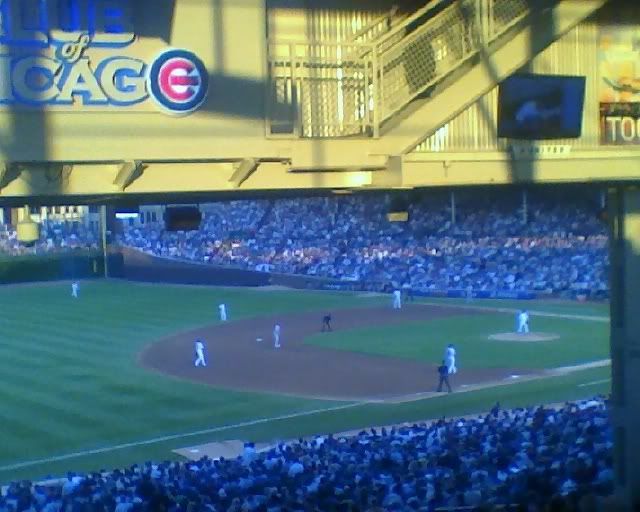
On Wednesday, Colin and I went to a Cubs game at historic Wrigley Field. Although I’m not a huge baseball fan, the weather was less muggy than it had been during the rest of the week, the Old Style Beer and bison hot dogs were good, and the Cubs beat the Oakland A’s!

The sports news this week was also dominated by the World Cup for soccer/football. Unfortunately, the Boston Celtics didn’t defeat the Los Angeles Lakers in Game 7 of the NBA Finals, which ended just after we landed last night. I tended to go to sleep around midnight Central Time and wake up by 6:00 a.m. Eastern Time, so I’ve got some catching up to do.

I won’t have much time for work and e-mail, though, since Janice’s and my vacation is coming soon! I plan to blog in late June 2010 about England, more gaming and genre entertainment reviews, and the implications of the oil spill in the Gulf of Mexico.

10 June 2010: DC Comics updates

<!–[CDATA[<!–[if gte mso 10]>

DC superheroes

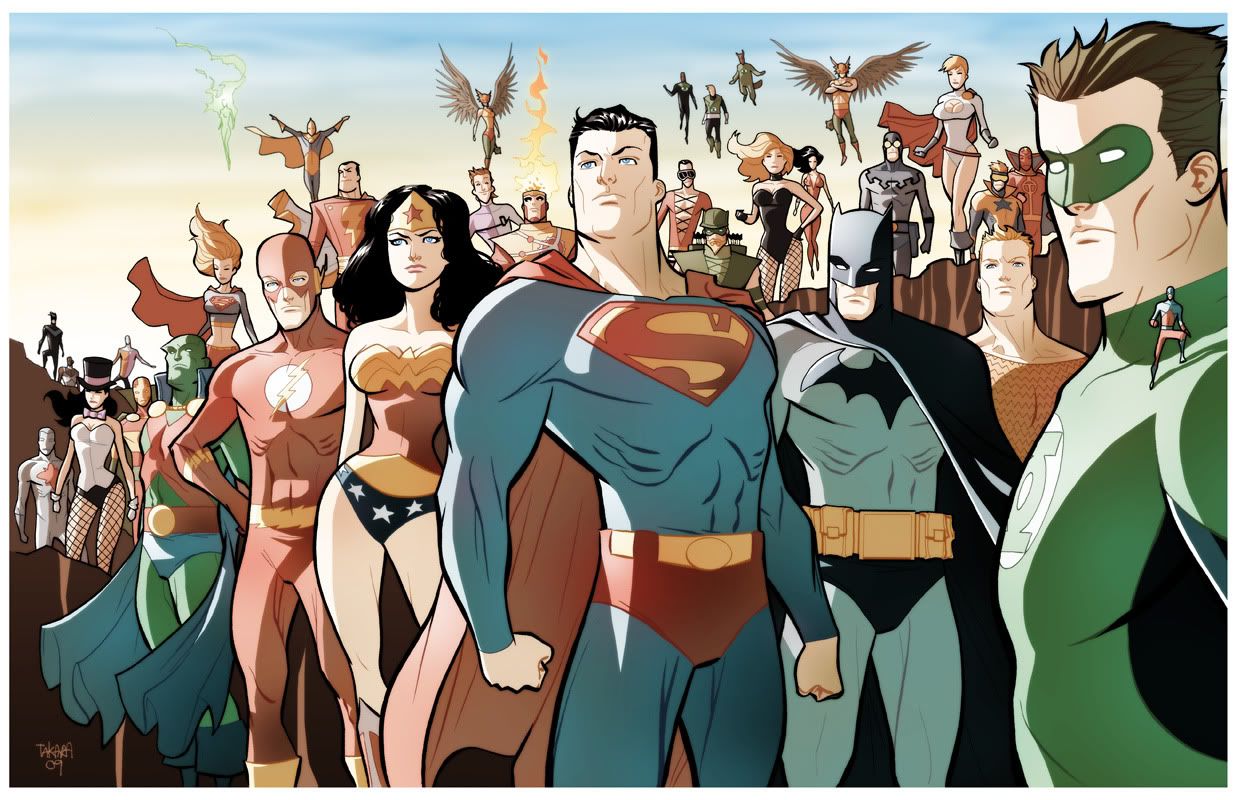
Fellow genre entertainment fans, in the past month or two, I’ve been catching up on comic books and graphic novels. As I’ve noted to new enthusiast David I.S., most, but not all, of the titles I pick up monthly involve costumed superheroes.

On Saturday, 1 May 2010, Janice and I drove to New England Comics and Newbury Comics in Norwood, Massachusetts, for the annual Free Comic Book day. Although weekly comics are supposedly endangered (along with all print publications), I was
pleased to see many younger readers.

Since I’ve been following Batman for years in various media, it comes as no surprise that the “Batfamily” is the largest portion of my print subscriptions. Dick Grayson, formerly Robin and Nightwing, has acquitted himself well in the cape and cowl while his mentor Bruce Wayne tries to find his way back to the present after being lost in time (not unlike Steve Rogers/Captain America over at Marvel). While Grant Morrison’s metatextual take on Batman has been interesting, I’m looking forward to Wayne’s eventual return.

In the meantime, Batman & Robin and Streets of Gotham have focused on the team of Grayson as the caped crusader and Wayne’s bratty son Damien as sidekick Robin. Other former Robins include the vengeful Jason Todd as Red Hood, detective Tim Drake as Red Robin, and Stephanie Brown (formerly Spoiler) as the latest Batgirl. I’ve been enjoying all of these books lately. Some DC Comics stories, such as Kevin Smith’s Widening Gyre and the Eurocentric Batman in Barcelona, are out of continuity (fictional history/news) and explore other facets of the Dark Knight’s career.

Batman and the Brave and the Bold is tied into the current campy Cartoon Network
television series, while the latest Superman/Batman Annual delves into the dark possible future of Batman Beyond. On the other hand, First Wave goes into the past, putting Batman alongside pulp contemporaries Doc Savage
and The Spirit.

Batgirl isn’t the only female member of Gotham City’s vigilante community. I’ve been reading the bad girls trying to be good in Gotham City Sirens and am looking forward to the revived Birds of Prey. The magician Zatanna, who made a faithful cameo in this past season of Smallville, will join Wonder Woman as one of the few superheroines to have her own title in a market dominated by male metahumans — and readers.

Unfortunately, the teams that I’ve followed, such as the Justice League and Titans, have dipped in quality in the wake of last year’s Final Crisis crossover event. I haven’t kept up with the large ensembles of Justice Society or Legion of Superheroes, although Green
Lantern
Hal Jordan has gotten lots of attention in Darkest Night/Brightest Day, First Flight, and an upcoming cartoon and live-action movie.

Hal Jordan’s pal Oliver Queen/Green Arrow hasn’t fared as well, with his marriage to Dinah Lance/Black Canary (see Birds of Prey) on the rocks, his granddaughter slain, and adoptive son Roy Harper/Arsenal maimed by villains. I’ve been a fan of Ollie ever since Mike Grell’s Longbow Hunters in the 1980s, so it pains me to see the “Arrow family” disbanded.

While I appreciate efforts to bring Ollie back to being an urban hunter and crimefighter, I think the character has been dragged through enough suffering and “reimaginings” lately, even without the ill-advised SuperMax flick on hold. Even Justin Hartley’s surprisingly good portrayal of Ollie in Smallville has been marred by similar attempts to strip away his daredevil sense of humor.

In related media, I look forward to the Brave and the Bold videogame, the Justice League multiplayer online game, and DC Adventures for the D20 Mutants & Masterminds 3rd Ed. tabletop role-playing game. On the small screen, there’s the direct-to-video Superman/Batman: Apocalypse and Batman: Year One (plus a Green Arrow short), and the upcoming Young Justice and Green Lantern cartoons.

I’ve fallen behind in reading and blogging again, partly because of business travel to San Francisco and Chicago, but I hope to post soon about Marvel Comics releases, summer television and movies, my trips, and various games!

1 June 2010: The setting of “Vortex”

The future is now!Fellow role-players, I hope that you had a good Memorial Day weekend. I’m glad that our one-shot games have been mostly successful so far, and I know that some of you have expressed interest in a longer-term campaign. Although I don’t plan to return to the “Vanished Lands” fantasy world anytime soon with the Boston-area face-to-face group, by now, you should have seen my recent post about the development of my “Vortexspace opera.

Here’s more information about my homebrew speculative fiction setting: About 200 years from now, humanity has begun to colonize the Sol system, but ecological problems and internecine conflict persist. The rediscovery of mystical powers, plus open and official First Contact with alien societies, themselves at war, threaten Terra’s very survival. Can heroes arise to meet the challenges in time?

Demographics

Most of the solar system’s 20 billion inhabitants are human, and most live on Earth. The average person is born to a slightly smaller nuclear family than in previous generations, is educated and employed by a megacorporation, and lives in one of the megalopoli that have metastasized along rising coastlines. To picture the teeming megacities, think of Blade Runner or The Fifth Element. Despite globalization, regional and cultural differences remain.

The orbital cities around Earth, Venus, and Jupiter have millions of residents (think Babylon 5 or Star Trek: Deep Space Nine), and the Lunar Free State has megacorp and military bases. Many settlers in the Mars Confederacy (which is beginning to be terraformed) come from crowded Asia. A few generations have now been born that have never set foot on Earth.

“Near” or “trans-” humans (mutants, metahumans, and cyborgs), “Uplifted” (genetically engineered) animals, and true artificial intelligences (robots/androids) are minorities, mostly living offworld. Like the outer colonies, they’ve fought for and earned limited rights.

Technology

Once possessing one of the most diverse ecosystems in the galaxy, Earth still has an impressive variety of organisms and cultures. The “ecocrises” of population pressure, pollution, global climate change, and the depletion of fossil fuels and freshwater led to famine and wars, as well as technological innovation. “Cold fusion” is finally a reality, but disparities in the distribution of resources remain.

Outside the megalopoli, carefully maintained cropland is surrounded by vast wastelands. The average person has access to more technology but less personal space than his or her ancestors. Cyberspace mitigates that somewhat, but virtual perception overlays and mechanical telepathy bring their own hazards, such as addiction.

Communications, transportation, and combat have also changed, even if the social sciences haven’t yet succeeded in creating harmony for all citizens regardless of belief. Memes (transmittable ideas) flitter across infotainment media, and those who still want to or need to travel in person can take high-speed trains, hypersonic aircraft, or commercial submarines (to undersea cities). Unfortunately, these advances also facilitate crime, terrorism, and warfare along economic, ethnic, and ideological divisions.

First used in the colonies, mecha (powered suits) are used as heavy infantry and artillery. Interplanetary carriers, aerospace fighters, and scout ships spend long months patrolling the cold vastness of space, but a storm is approaching the Milky Way’s Orion Arm. After First Contact, Terran humans and related species have access to Transit-level faster-than-light drives, which can propel vessels at up to a parsec (3.26 light years) per day.

Medicine

Many illnesses have been cured, and the life expectancy for the 60% of people above the poverty line is 120 years (half that for those still below it). The very wealthy have access to cloned bodies, partial consciousness transfers, and android avatars, but such technology is expensive and restricted. Terran biochemistry isn’t exactly compatible with that of most aliens.

Economics and politics

Politics has become both decentralized and more centralized, with many services once delivered by local governments now performed by megacorps, and regional governments replacing states and provinces. For example, Boston is now part of the North Eastern American Megalopolis (NEAM), with most goods and services provided through Transglobe Information Company, one of the “Big Eight.” North America’s Continental Congress (NACC) is in Denver.

In response to the ecocrises and the use of weapons of mass destruction, the United Earth Authority has started to become the first true world government. It’s based in Rio de Janeiro, Brazil, and is the nominal ruling body over Terra’s colonies. Each regional state contributes to the U.E.A.’s law-enforcement, bureaucratic, and military forces. NACC’s elite force is the Aerospace Marine Corps. The U.E.A.’s Fort Olympus Mons overlooks Mars’ red outback, where bands of homesteaders, nonhuman rebels, and ecoterrorists try to eke out a living (not unlike Firefly/Serenity).

The sparsely populated Asteroid Belt and Jovian and Saturnian systems include several mining colonies, policed by the small but growing Interplanetary Patrol (think Outland). The colonies have petitioned the U.E.A. to change its name and grant them both equal and proportional representation, but that’s only one of many debates on the eve of First Contact with galactic societies, themselves at war.

The U.E.A. sponsored the United Ecumenical Movement partly in reaction to the destruction of Middle Eastern holy sites and the horrific related casualties late in the petroleum era. Although its chaplains are drawn from different faiths, the U.E.M.’s members have managed to collaborate closely on secret archaeological and paranormal research (with extraterrestrial advice).

Galactic conflict

Many of the billions of stars in the Milky Way Galaxy have planets around them, and millions of those have life. Of those, thousands are capable of sustaining intelligent life, and hundreds are inhabited at any given time. Dozens are homeworlds to Transit-capable beings. Hidden for centuries behind Kuvor’s Veil, a nebula, the Sol system has been a backwater, visited by occasional pirates, explorers, or pranksters. First Contact causes some disruptions in Terran society, but greater threats are ahead.

Although most aliens are nonhumanoid, some can (and do) interact with Terrans (think Flash Gordon, Star Wars, or Farscape). Most of the starfaring species in the Orion Arm are nonaligned, neutral, or members of the Trade Guilds, which are interested in working with Terran megacorps. A few are members of the growing Kharvamid Alliance, which seeks to defend systems like Sol’s from the approaching Zarkonian Armada….

In coming posts, I’ll outline Player Character options for species and occupations, why our choice of rules matters, and more! In the meantime, I look forward to the next Pathfinder: “the Dragonslayers” teleconferencing session and Gabe C.’s Lady Blackbird one-shot. Be seeing you!

23 May 2010: San Francisco sightseeing, continued

San FranciscoI’ve already blogged a bit about my trip to San Francisco for a work-related conference and my review of the latest Robin Hood movie. On Saturday, 15 May 2010, I took a taxicab from my hotel across the Golden Gate Bridge, which was swathed in fog. My driver was a Mongolian immigrant who took me to some overlooks, and I decided not to take a cruise to the former prison of Alcatraz. The weather was cool and damp, but I enjoyed strolling through the streets of San Francisco and looking at the varied architecture.

After being dropped off at Fishermen’s Wharf, I looked at souvenirs and the sea lion colony at Pier 39, saw historic warships on Pier 45, and ate some fresh crab and shrimp. I also sampled chocolate at Ghirardelli Square and was shown art by Pablo Picasso, Marc Chagall, and Felix Mas at the Martin Lawrence Galleries.

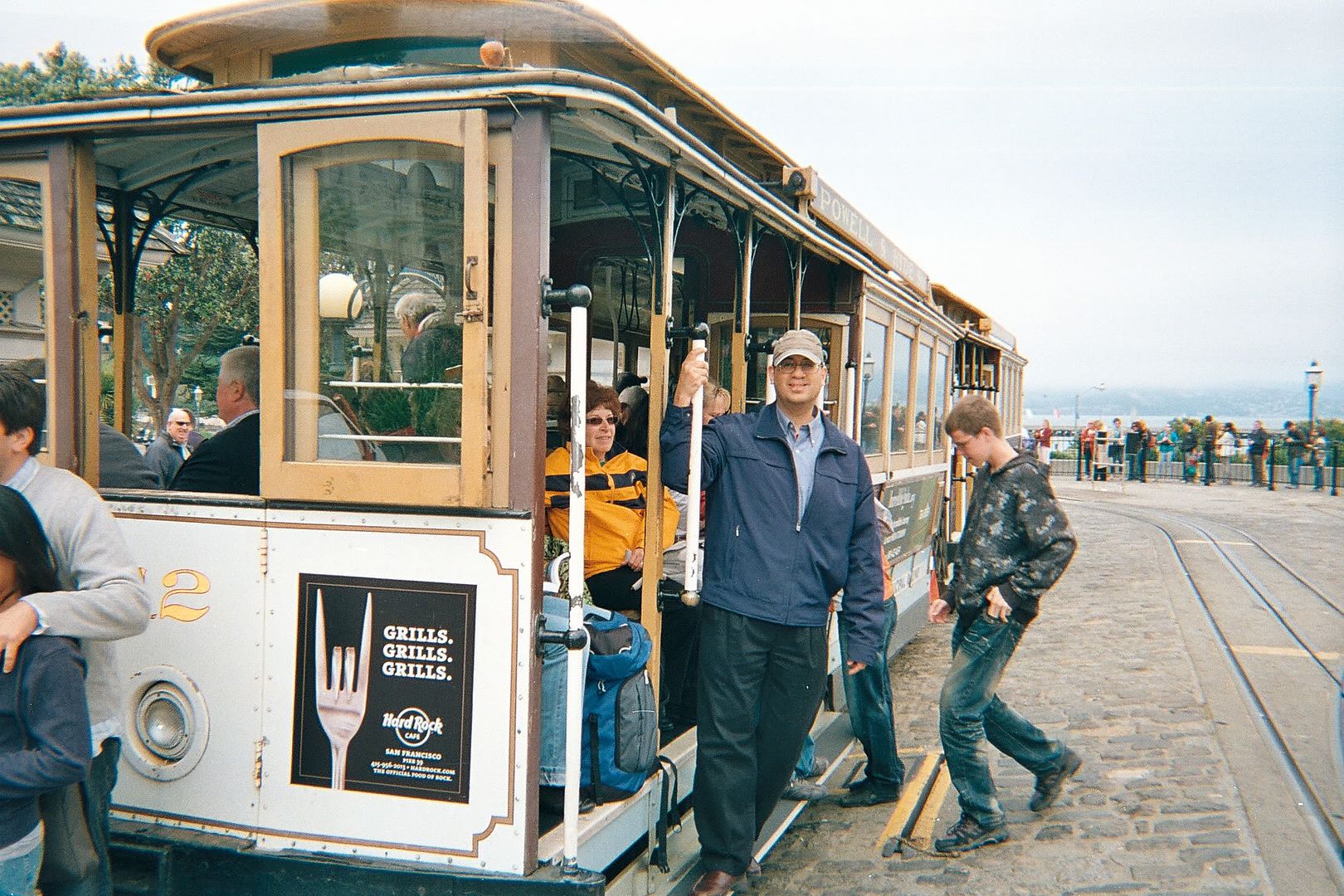
I then took one of San Francisco’s famous cable cars past Lombard Street (the “crookedest in the world”) up to the Cable Car Museum near Nob Hill, which is similar to Boston’s tony Back Bay. Unfortunately, my recyclable camera ran out of film just as we reached that high point and as the sun came out.

San Francisco also has electric trolleys, buses, and a subway (BART). At the edge of the
Tenderloin, or onetime red-light district, I stopped in at the Beat Museum and had a good lunch of garlic-infused ravioli at The Stinking Rose, a restaurant recommended by David I.S. I walked down the steep hills to the upscale shops of Embarcadero (near the Transamerica Tower) and to busy Chinatown. At Yuet Lee Restaurant, I ordered noodles and dumplings.

After walking through the shops of the Westfield mall and Union Square looking in vain for a summer fedora and cheap blue jeans, I later took the 71 bus to the hippie
neighborhood
of Haight-Ashbury. I enjoyed the colorful people and, of course, independent bookstores such as Booksmith, Comix Experience, and GameScape. The combination of street musicians, boisterous youths, and liberal sensibilities reminded me favorably of Harvard Square in Cambridge, Massachusetts, but with a more casual
vibe.

On Sunday, May 16, I had brunch at Mel’s Drive-in, a diner that Dave had also recommended. After catching part of the festivities and costumes (or lack thereof) around the annual Bay to Breakers Race, I took a shuttle bus to the airport. I raced through security and was put on standby for an earlier JetBlue flight than the one I
was originally scheduled for, but ended up just waiting for the later flight home.

Coming soon: Catching up on comics, genre television, and games!